news
Townsville Bets Growth on Port and Logistics Against Global Competition
As the city pins growth hopes on the Port of Townsville and inland logistics corridors, planners are watching how comparable cities worldwide navigate similar infrastructure crossroads.
How we reported this
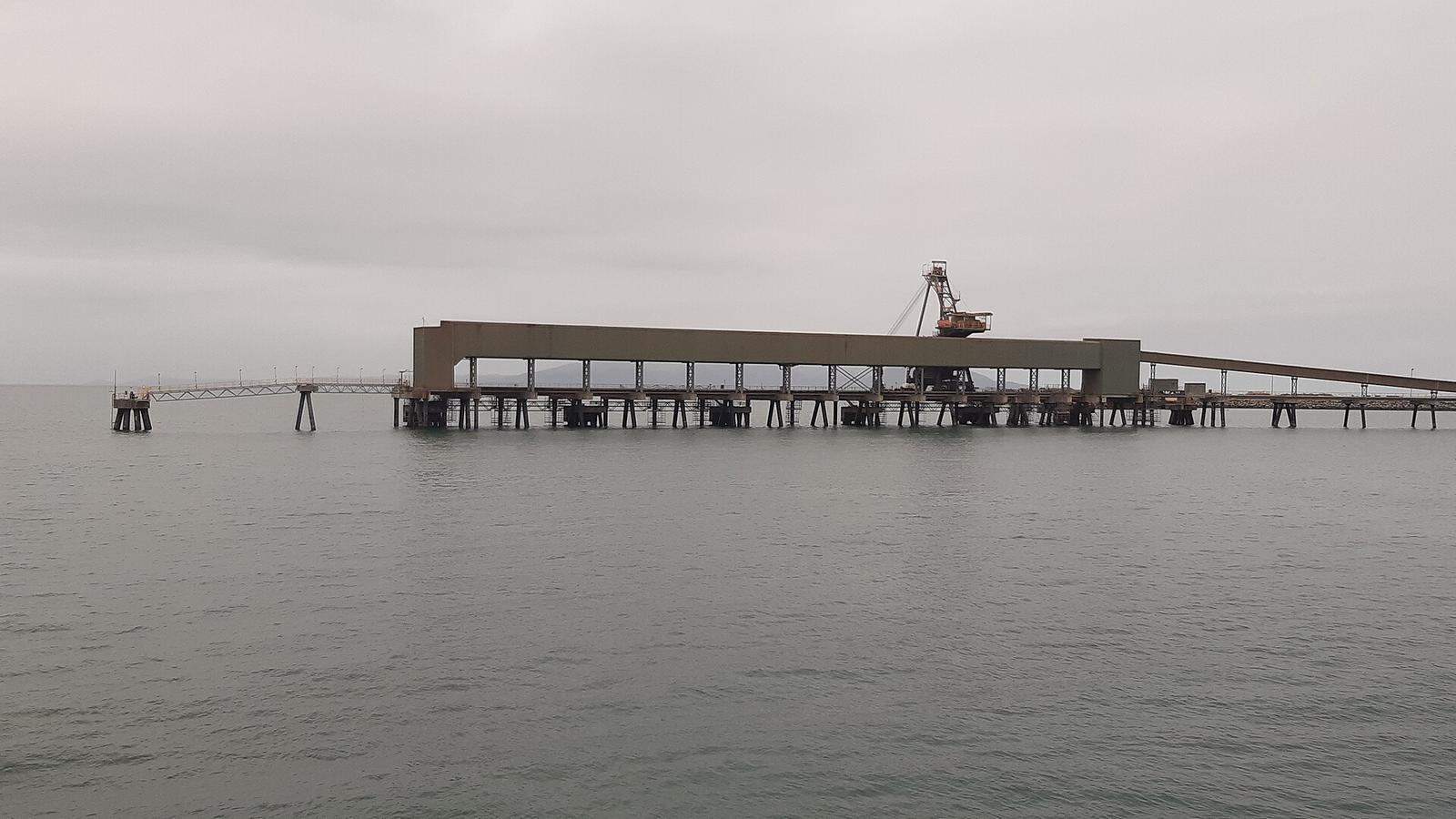
Townsville stands at a critical juncture. With $2.3 billion in committed infrastructure spending over the next decade-including the planned expansion of the Port of Townsville and upgrades to the Stuart Highway corridor-the city is attempting a balancing act that mirrors challenges facing mid-sized transport hubs globally.
The comparison is instructive. Take Darwin, Australia's other strategic northern port city. Darwin invested heavily in port modernisation a decade ago, yet still struggles with last-mile connectivity inland. Meanwhile, Cairns, Townsville's regional rival 340 kilometres north, has prioritised aerospace and tourism infrastructure over heavy cargo logistics-a different bet altogether.
Internationally, cities like Port Elizabeth in South Africa and Antofagasta in Chile-similar-sized ports serving regional hinterlands-offer cautionary tales. Port Elizabeth invested billions in container facilities but neglected inland rail corridors, creating bottlenecks that undercut competitiveness. Antofagasta, by contrast, coordinated port upgrades with mining region connectivity, reaping higher economic returns.
Townsville's response has been more strategic, though imperfect. The Bruce Highway upgrades through Stuart locality and the planned flood-resilience improvements along Ross Creek represent integrated thinking. The city learned from 2019 flood recovery-when poor transport links strangled supply chains-that infrastructure redundancy matters.
However, gaps remain. The Council's $480 million transport and freight strategy allocates only 18 per cent to rail connectivity, compared to 35 per cent in comparable corridor upgrades in Queensland's Mackay region. Local logistics operators consistently cite missing intermodal facilities near the port as a drag on efficiency. Those facilities exist in competing hubs like Newcastle and Brisbane.
What Townsville does possess, uniquely, is geographic advantage tied to Defence and hydrogen futures. The RAAF and Army presence creates stable, long-term demand for supply chain reliability-something Darwin and Cairns envy. The emerging hydrogen export hub near Bohle Plains could anchor logistics growth in ways Darwin's single-commodity dependency (live cattle) cannot.
Global precedent suggests Townsville's window is narrowing. Cities that coordinated port, rail, and manufacturing zone development in the 2020s-like South Korea's inland logistics clusters-out-competed those that treated infrastructure siloes separately. Townsville's advantage lies in doing this coordination now, before competing ports lock in market share.
The real test comes within 36 months. Will the Stuart Highway upgrades complete on schedule? Will intermodal facilities materialise? Will hydrogen investment trigger the supply-chain density planners envision? Cities globally are watching how Australia's northern gateway executes this playbook.