news
Townsville Leaders Outline Plan for Hydrogen Hub, Climate Resilience
As the city pursues hydrogen hub status and grapples with climate threats, officials and experts outline a vision for sustainable growth.
How we reported this
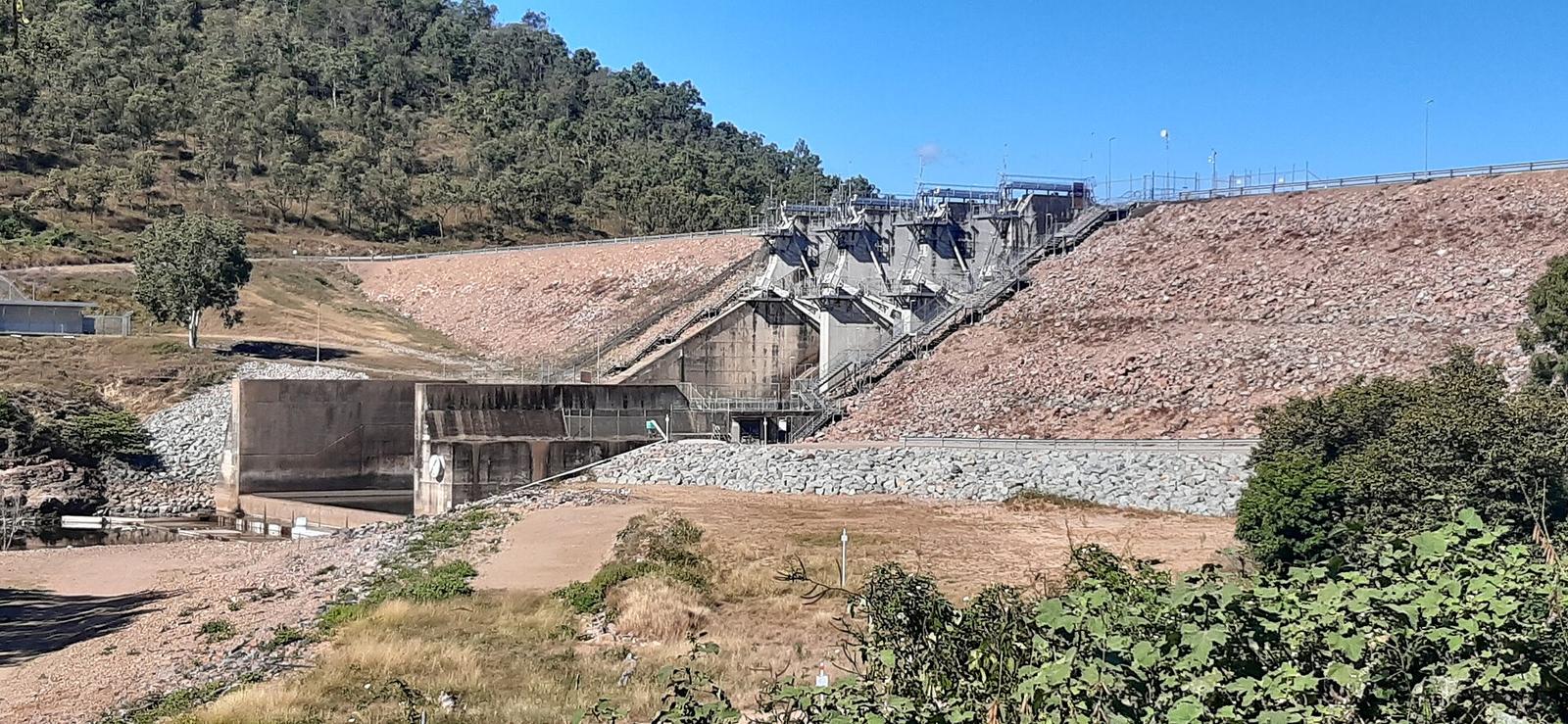
Townsville stands at a critical juncture in its environmental planning, with city leaders and sustainability experts signalling ambitious but achievable targets across water management, renewable energy, and climate resilience.
The conversation centres on three interconnected challenges: securing the Ross River Dam's long-term viability amid growing demand, positioning the region as a clean energy leader through hydrogen development, and building infrastructure resilient to the kind of catastrophic flooding that devastated communities in 2019.
Officials from Townsville City Council have emphasised the urgency of integrated water planning. With the city's population projected to reach 350,000 by 2041-up from approximately 180,000 today-pressure on existing water infrastructure is mounting. The Ross River Dam, which currently supplies roughly 85 per cent of the city's drinking water, faces competing demands from agricultural users and industrial operations along the northern corridor.
The hydrogen hub initiative represents perhaps the most visible shift in strategic thinking. Experts point to Townsville's existing industrial base near the Port of Townsville, proximity to major defence installations at RAAF Base Townsville and Lavarack Barracks, and access to renewable wind and solar resources across the broader region as compelling advantages. Several research institutions have begun modelling production pathways and cost competitiveness against international competitors.
Sustainability consultants working with local government have flagged the need for coordinated planning across Townsville's key precincts-from the revitalised waterfront precinct near The Strand to emerging industrial zones inland. They stress that hydrogen production facilities, if developed, must integrate with existing supply chains and workforce capabilities rather than operate in isolation.
Climate adaptation remains equally pressing. The 2019 floods exposed vulnerabilities in drainage infrastructure across suburbs including Hermit Park, Garbutt, and Aitkenvale. Planners are now integrating flood resilience into all major development approvals, though funding constraints have slowed implementation of some recommended upgrades to stormwater systems.
Indigenous engagement is becoming more prominent in environmental discussions as well, particularly around land management practices and the growing First Nations treaty process. Traditional ecological knowledge is being incorporated into biodiversity strategies across council-managed reserves and waterways.
What emerges from conversations with officials and experts is not utopian optimism but pragmatic determination-a recognition that Townsville's economic future depends on mastering the balance between growth, security, and sustainability. The next two years, they suggest, will be decisive in determining whether those ambitions translate into concrete investment and measurable outcomes.