lifestyle
Townsville’s Transit Shift: How The City’s Connectivity Is Evolving and Changing
From expanding cycling corridors to revamped public transport links, navigating our city is undergoing a significant transformation.
How we reported this
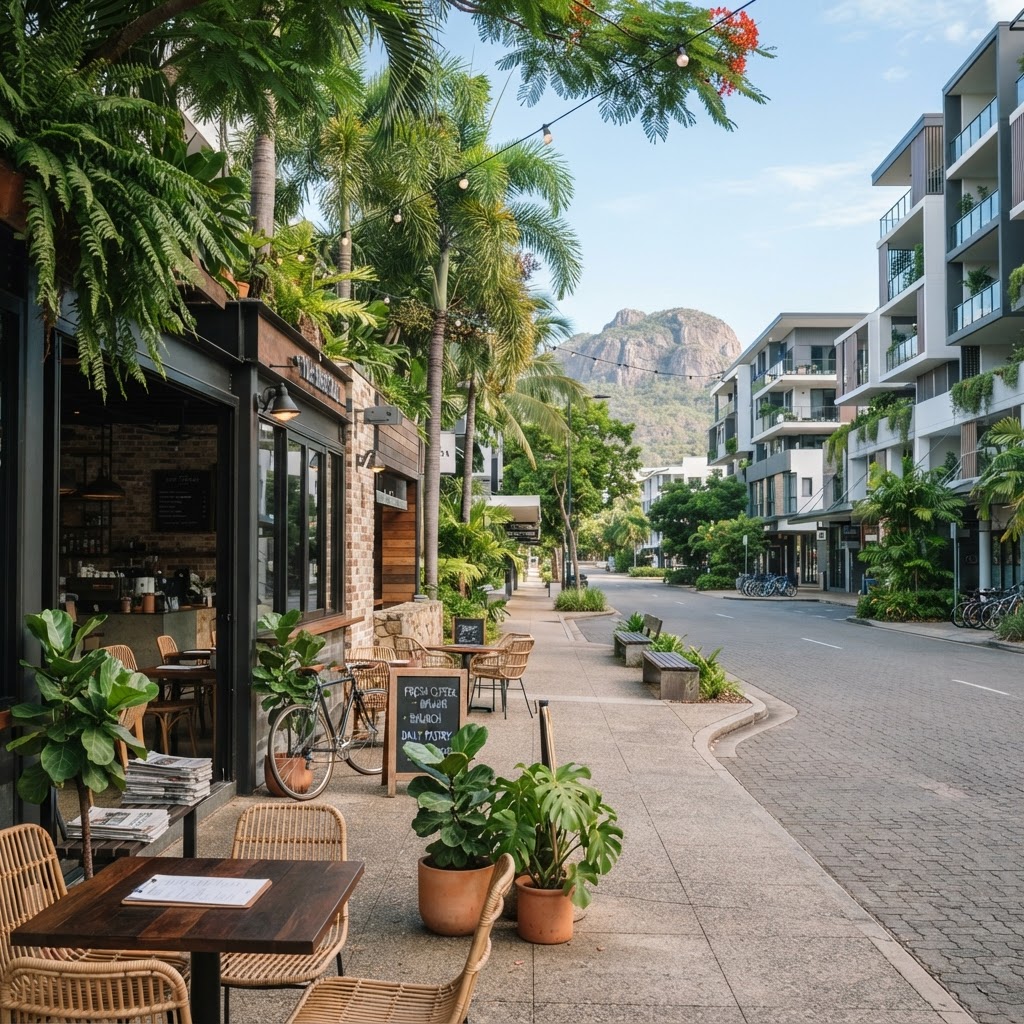
Townsville’s transit network is currently experiencing a period of rapid development, with city planners prioritizing pedestrian connectivity and integrated transport hubs. Recent updates across the regional infrastructure map signal a shift away from car-dependent movement toward a multi-modal approach, aiming to better connect residential suburbs with the primary commercial zones near Flinders Street.
Expanding The Active Transit Corridor
The push to improve active transport has seen noticeable changes in the infrastructure surrounding the Ross River. The council has begun implementing a series of upgrades along the riverbank pathways, aiming to link the central business district to the outer residential reaches. This initiative forms part of a broader strategy to encourage cycling and walking, particularly for daily commuters who previously relied exclusively on private vehicles. Significant investment has been channeled into high-visibility signage and improved lighting along the stretch that connects the North Ward area to the city’s heart.
These developments come as the city experiences increased pressure on traditional road arterial systems. During peak commute hours, congestion along the major thoroughfares has prompted local authorities to reconsider the allocation of public space. The current strategy focuses on balancing the needs of motorists with the rising demand for safe, efficient routes for residents opting for electric scooters or bicycles.
Strategic Shifts in Public Transit
In addition to active transport, the public bus network managed by the Queensland Department of Transport and Main Roads is seeing operational refinements. The deployment of new, modernized transit hubs near key landmarks like the Cowboys Stadium and the Jezzine Barracks precinct is intended to streamline passenger flow during major community events. These sites serve as critical points of transition, allowing residents to shift between suburban bus routes and central city links with greater ease.
As of early July 2026, data from regional transport reports suggests that patronage numbers for public transit have shown consistent fluctuations, mirroring broader state-wide trends in commuter behavior. While some routes remain highly saturated during morning windows, the introduction of frequency adjustments on major lines is the primary tool being utilized to manage these volume spikes. Commuters are advised to check the latest timetables on the official transport website before planning their journeys, as schedule updates are being rolled out to accommodate the new infrastructure layout. Moving forward, the focus will remain on stabilizing these connections to ensure that as the city grows, the movement of people remains fluid and accessible across all districts.