lifestyle
Townsville’s Green Corridors: What makes this city unique compared to others around the world
While international capitals struggle with concrete heat islands, Townsville preserves its tropical canopy as the cornerstone of its urban identity.
How we reported this
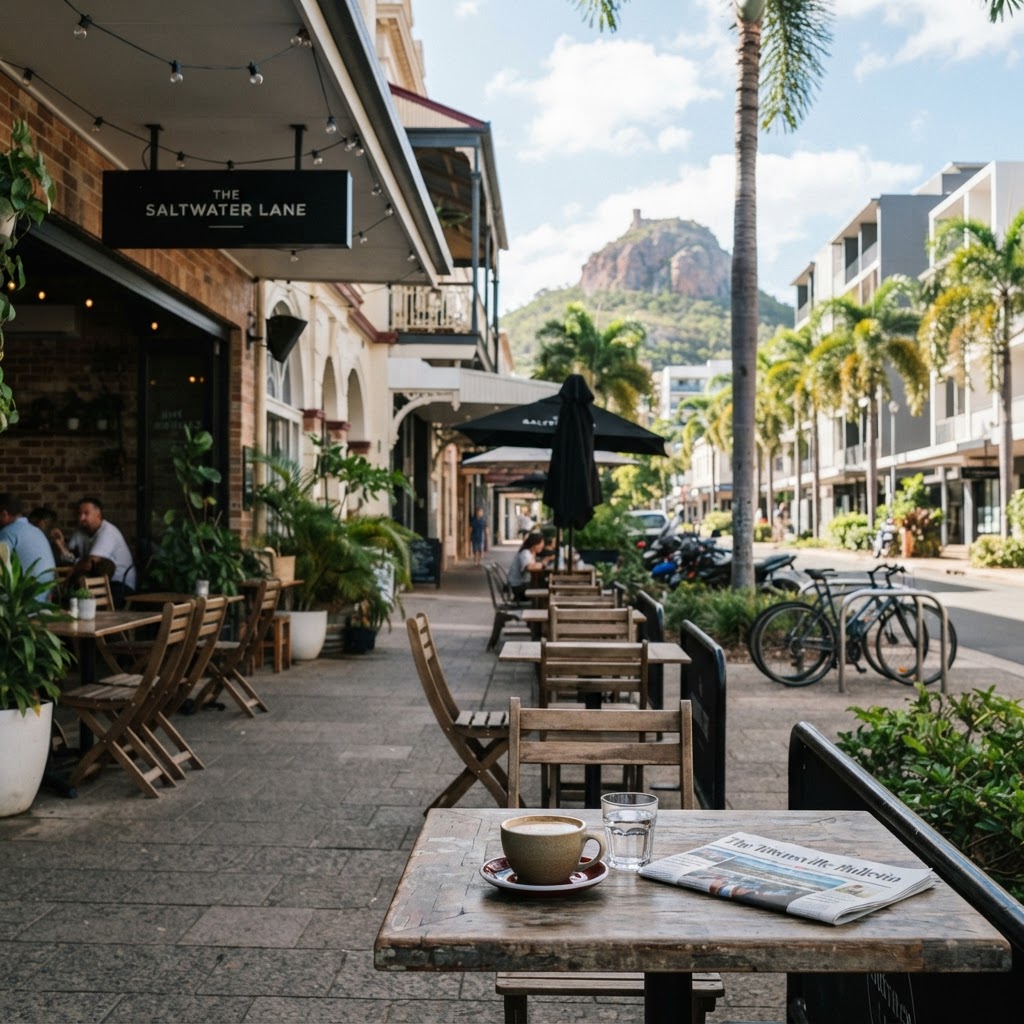
Townsville’s identity is increasingly defined by the deliberate integration of wild tropical landscapes into the heart of the city’s urban grid. Unlike many global cities that have sacrificed natural foliage for high-density development, this regional hub maintains a sprawling network of green spaces that function as both leisure zones and cooling infrastructure for the local climate.
The intersection of tropics and urban life
The city's approach to green space is best exemplified by the layout of The Strand, a seaside parkland that links the central business district directly to the Coral Sea. By prioritizing public access to the foreshore over private coastal development, the Townsville City Council has created a continuous corridor that stretches along the coastline. This integration of native pandanus trees and manicured lawns provides a sharp contrast to the grey, sterile aesthetics common in many international port cities.
Further inland, the Anderson Gardens on Mundingburra offer a different experience. As one of the largest botanic gardens in the region, the site acts as a living archive of tropical flora. The preservation of these spaces is essential now, as rising summer temperatures challenge the liveability of tropical urban environments globally. Maintaining these pockets of shade and biodiversity is not just a recreational priority; it is a strategy to combat the urban heat island effect that has impacted metropolitan areas across the globe.
Community access and structural planning
Data from the Townsville City Council’s latest budget releases indicate a sustained commitment to the maintenance of these public assets, reflecting the high value residents place on open-air access. Public records from the 2026/27 financial planning documents highlight that funding allocations for parkland management have remained a consistent priority, ensuring that locations such as Queens Gardens-which dates back to 1870-are protected from the encroaching pressures of development. The consistency of this maintenance provides a stability that many other fast-growing cities currently lack.
For those looking to engage with these spaces, the city’s walking and cycling paths provide the most direct access. Residents and visitors should prioritize early morning or late afternoon visits to these parks, particularly during the transition between the dry and wet seasons when humidity shifts the feel of the local environment. By utilizing the existing public trail networks that run from the Ross River corridor into the city center, commuters and weekend walkers can traverse the entirety of the urban footprint without ever leaving the shade of the canopy. As the city matures, the focus remains on ensuring that these green lungs stay open, accessible, and free of the structural decay seen in aging metropolitan projects elsewhere.