business
Townsville Market Trends and What Businesses Need to Know Right Now
Retail foot traffic and property leasing data point to clear shifts that Townsville operators must track in the coming quarter.
How we reported this
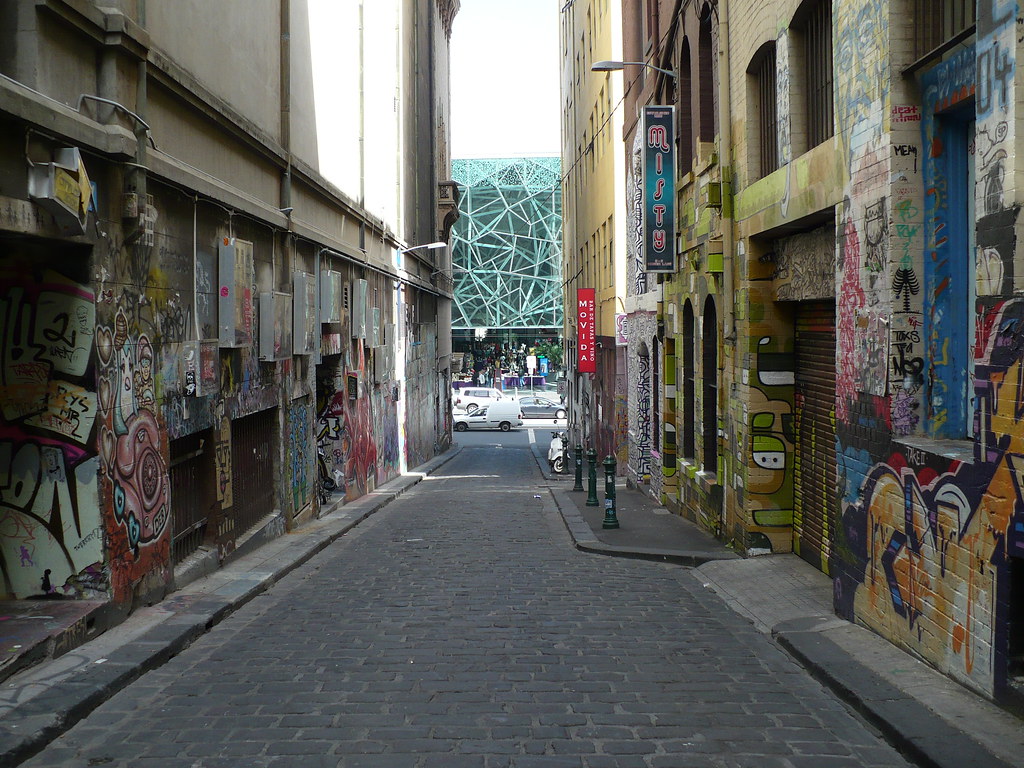
Townsville CBD retail vacancy rates fell to 4.1 percent in the June quarter, according to data released by the Townsville Chamber of Commerce on 8 July.
The drop signals stronger demand for physical space even as national online sales continue to climb. Local operators report that consumers are returning to in-person purchases for apparel and home goods after two years of heavy reliance on platforms such as Temu. The change matters now because winter foot traffic normally dips, yet June figures showed only a 1 percent seasonal decline instead of the usual 4 percent.
Foot traffic patterns on Flinders Street and The Strand
Shops along Flinders Street Mall recorded average daily visits up 7 percent from May levels. At the same time, businesses on The Strand reported stronger evening trade, with cafes extending hours to capture workers finishing at nearby offices. The North Queensland Business Association noted that two new leases were signed last week on Palmer Street for fitness studios, indicating landlords are willing to offer shorter three-year terms to attract tenants.
CoreLogic figures published 10 July showed Townsville median commercial rents rose 2.8 percent year on year, the first increase since early 2024. That figure sits below the 3.5 percent national average but still adds pressure on operators already facing higher electricity costs after the Telstra outage disrupted point-of-sale systems last week.
Practical steps for the next quarter
Businesses should review lease renewal dates before 31 August, when several properties near the Railway Estate industrial precinct come back onto the market. Operators can also compare supplier contracts against current online pricing trends to decide whether to expand local stock or maintain smaller inventories. Those steps will help firms adjust to the measured recovery in foot traffic without locking into long-term commitments that may not match the pace of consumer spending.